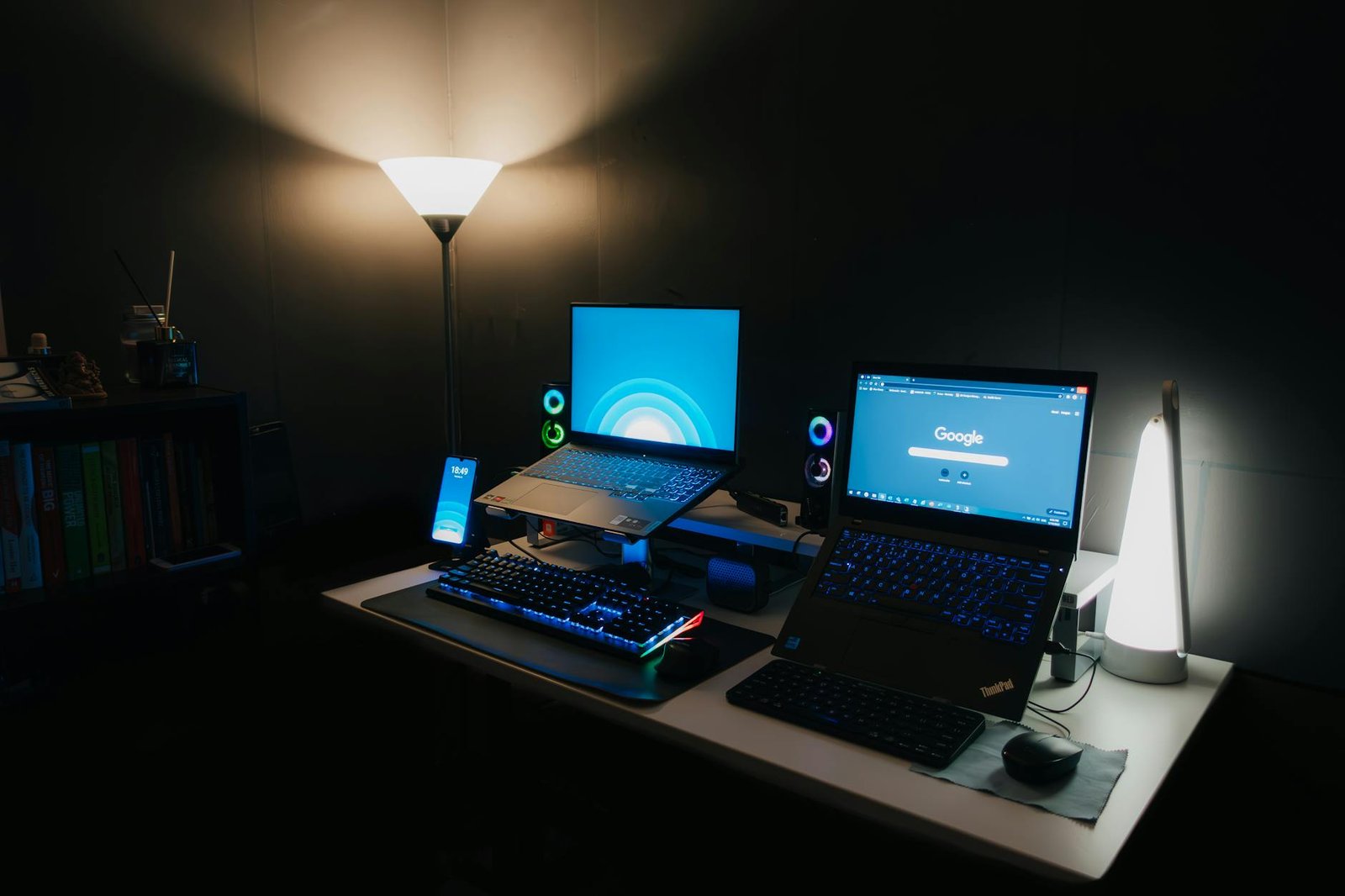
Your smart TV might be secretly smarter than you think. Turns out, that seemingly outdated RS-232 port on the back – often ignored and dismissed as a relic from professional diagnostics – is now a surprisingly powerful tool for advanced TV control, thanks to a growing community of AI-powered developers. It's a fascinating development that's challenging our assumptions about how we interact with our entertainment systems.
Okay, let's unpack this. The RS-232 port, a serial communication standard, has been around for decades, primarily used for connecting specialized equipment like oscilloscopes and data acquisition systems. Smart TV manufacturers, for reasons of cost and complexity, have continued to include it, though it's rarely used by the average consumer. Recently, a small group of developers, largely based in Europe and Asia, have discovered they can leverage this port to send incredibly precise commands directly to the TV's processor. This isn't just about changing settings; it's about fundamentally altering the TV's behavior.
The Real Impact on Users
Why does this matter? Previously, controlling smart TVs relied on clunky, limited apps and menus. You were stuck with what the manufacturer programmed. Now, developers are using the RS-232 port to bypass these restrictions and implement custom features, like granular control over picture settings, dynamic scaling, and even integrating the TV with other smart home devices. Think perfectly synchronized lighting, customized audio profiles tailored to your music library, and control beyond what the manufacturer intended. Several projects have already demonstrated sending commands to adjust color temperature to match a mood lighting system, or to instantly switch to a specific picture mode based on the content being displayed.
This has immediate real-world impact for both consumers and businesses. Enthusiasts are building custom interfaces, creating incredibly precise calibration routines, and unlocking hidden features. For businesses, particularly those in media and entertainment, it opens doors for sophisticated content management systems and tailored viewing experiences. Imagine a cinema chain able to instantly adjust every screen in the house to the exact color profile needed for a particular film – that's the potential here.
Looking at the bigger picture, this development fits squarely into the AI race, albeit in a unique way. While large tech companies focus on generative AI for content creation, this RS-232 initiative represents a shift towards low-level control and deep integration. It highlights a trend of developers using unconventional hardware – in this case, an aging port – to exert greater influence over devices, a tactic that could become increasingly important as AI becomes more pervasive. It's a reminder that innovation can come from unexpected places.
What Happens Next
What to watch next? Keep an eye on projects like the "TV-Control-RS232" GitHub repository, which has amassed over 1,500 stars. Researchers at the University of Leeds are actively developing open-source tools and libraries to make this technology more accessible. Specifically, watch for advancements in automated calibration routines – developers are working on AI algorithms that can analyze a TV's output and automatically send commands to optimize picture quality. This could revolutionize how we fine-tune our TVs for the best possible viewing experience.
Stay updated: Follow AIZyla for daily AI news explained clearly for everyone.
Stay ahead of AI -- free
Weekly digest of the best AI news, tools, and guides. No spam.