AI News
How AI is Shaping 2026: A Developer's Guide
On Friday I gave the closing keynote at the WeAreDevelopers World Congress North
On Friday I gave the closing keynote at the WeAreDevelopers World Congress North
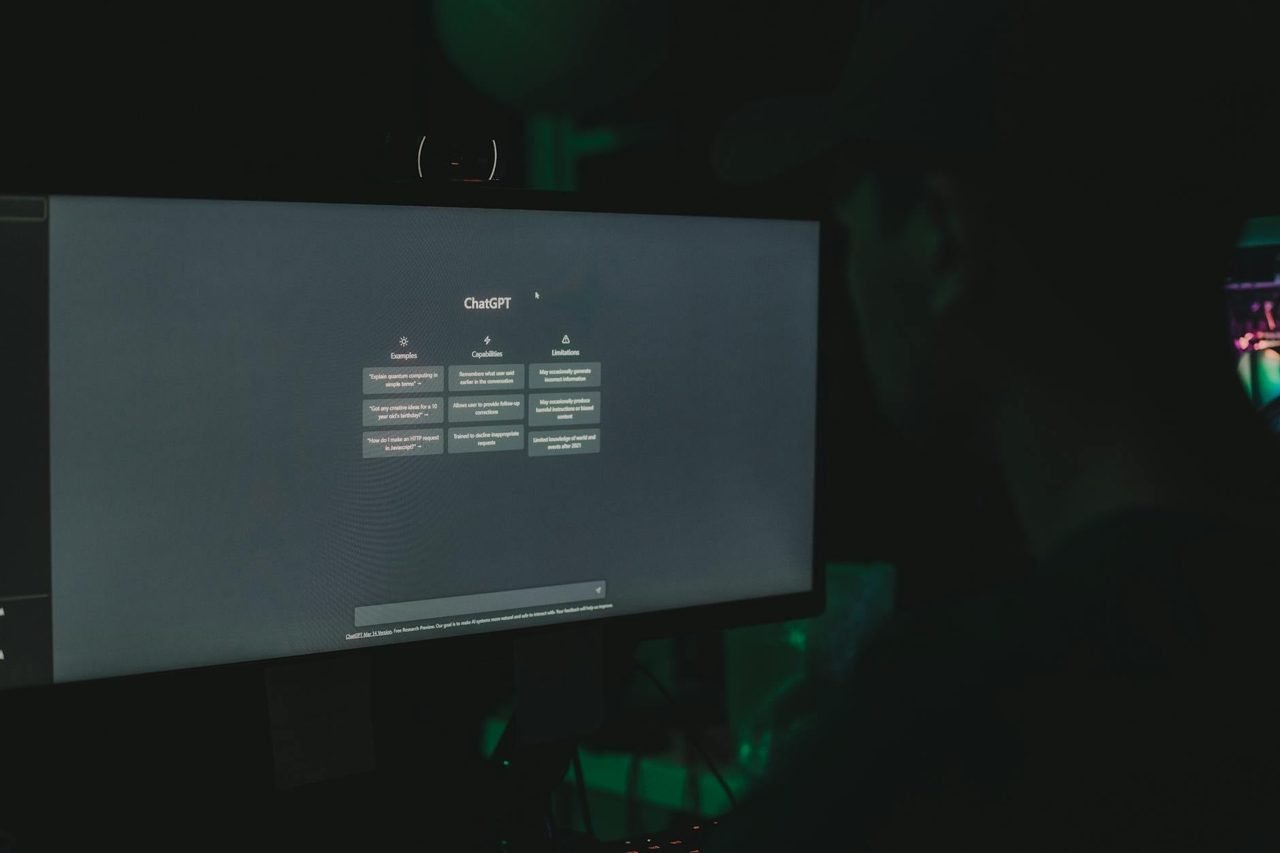
The year 2026 wasn't just another evolutionary step for AI; it marked a pivotal shift where generative models moved beyond mere text and image creation to actively assist in the very act of software development itself, fundamentally altering how engineers build and debug applications. This transformation, highlighted at the recent WeAreDevelopers World Congress North America, demonstrates a future where AI isn't just a tool, but an integral partner in the coding process, making development more accessible and efficient.
This past Friday, at the WeAreDevelopers World Congress North America in San Jose, the closing keynote speech offered a chronological retrospective on the key AI trends and developments that defined 2026. The presentation, now available on YouTube, detailed how the industry saw a significant move toward AI models that could not only understand complex codebases but also generate, refactor, and even test code with increasing sophistication, moving beyond basic auto-completion.
This shift matters immensely because it changes the nature of developer productivity. Previously, AI tools primarily offered code suggestions or assisted with boilerplate generation; in 2026, they began tackling more complex tasks like identifying logical errors in code, suggesting architectural improvements, and even translating code between different programming languages. This means developers spent less time on repetitive tasks and more on high-level problem-solving and innovative design.
For individual developers, this translates into faster project completion and a reduced cognitive load, allowing them to focus on creativity rather than syntax. Businesses benefit from accelerated product development cycles and potentially lower development costs, as AI aids in streamlining workflows and minimizing human errors. Everyday users, while not directly interacting with these AI development tools, experience the downstream effect through more robust, feature-rich, and rapidly updated software applications.
This evolution of AI in development fits into the broader trend of AI moving from specialized applications to becoming a ubiquitous co-pilot across various professional domains. It underscores the ongoing "AI race" where companies are not just competing on model size or raw intelligence, but on the practical utility and seamless integration of AI into existing human workflows. The ability of AI to assist in coding elevates it from a curiosity to an indispensable part of the tech industry's infrastructure.
One concrete area to watch in the coming months is the emergence of open-source AI models specifically fine-tuned for niche programming languages and frameworks. These specialized models could democratize advanced AI-assisted development, moving it beyond the exclusive domain of large tech companies and into the hands of a broader developer community, potentially sparking an unprecedented wave of innovation.
Stay updated: Follow AIZyla for daily AI news explained clearly for everyone.
Weekly digest of the best AI news, tools, and guides. No spam.