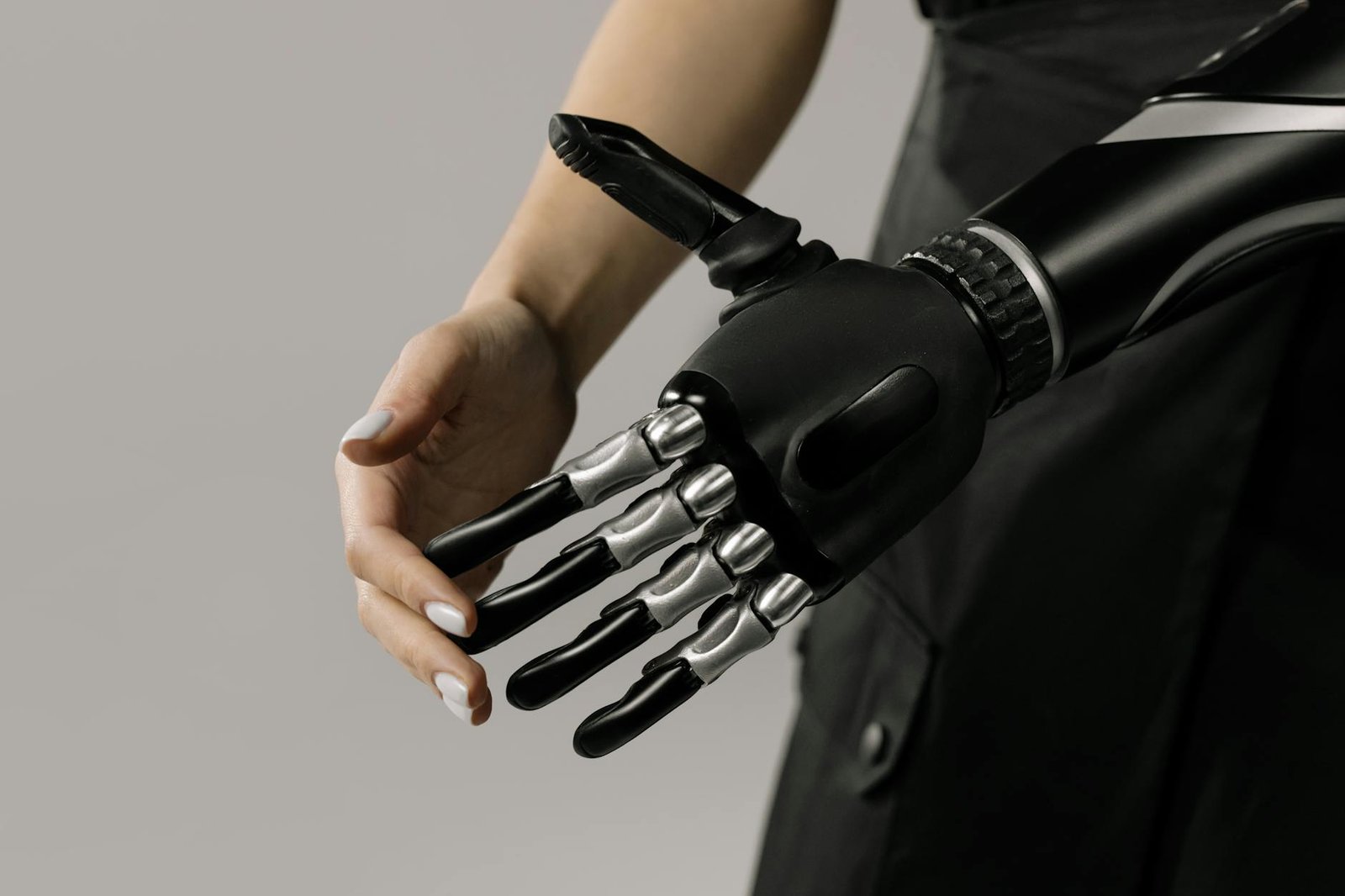
For years, the idea of humanoid robots – sleek, walking, talking machines – felt like a futuristic fantasy, largely confined to science fiction films and expensive research labs. We envisioned Rosie from The Jetsons, diligently cleaning our homes and serving us breakfast. Instead, China is rapidly deploying a wave of these robots, not for domestic chores, but for a surprising range of public-facing roles, and the shift is happening with an astonishing pace. These aren't the polished, consumer-ready robots often depicted in marketing; they're rugged, functional machines built for specific tasks, and they're changing the face of urban life in several key Chinese cities.
Several Chinese companies are spearheading this robotic revolution, most notably Megvii, Agora Systems, and Ehang, though numerous smaller firms are also contributing. Megvii's "Papi" robot, for example, has been deployed in several cities, including Shenzhen, performing tasks like directing traffic, handing out flyers, and even assisting elderly citizens with simple errands. Agora Systems' robots, known as "Go-Go," are gaining traction in logistics, delivering packages and groceries, particularly in areas with high population density. Ehang, best known for its drone delivery services, has developed humanoid robots capable of navigating complex environments and assisting with customer service. These robots, often equipped with advanced sensors and AI, are already operating in shopping malls, hospitals, and even some government offices. Investment in this sector has exploded in recent years; estimates put total spending on Chinese humanoid robots at over $2 billion in 2022, with projections exceeding $10 billion by 2028, fueled by government support and a rapidly growing domestic market.
The Real Impact on Users
This sudden surge in robotic deployment isn't a spontaneous occurrence; it's rooted in China's broader ambitions and strategic priorities. The country's aging population – nearly 25% of the population is over 60 – creates a significant demand for assistance in areas like healthcare and elder care. Simultaneously, China's urban centers are grappling with massive population density and a shortage of labor, particularly in service industries. The government has explicitly identified robotics as a key sector for economic growth and technological leadership, offering substantial funding and favorable regulations to encourage development and deployment. Furthermore, China's aggressive push into AI – heavily subsidized and driven by a national strategy – is providing a powerful engine for innovation in robotics, leveraging advancements in computer vision, natural language processing, and machine learning. This isn't just about creating robots; it's about establishing China as a global powerhouse in AI and its applications.
The beneficiaries of this robotic transformation are largely those companies driving the innovation and securing government contracts. Megvii, Agora Systems, and Ehang are experiencing significant revenue growth and attracting substantial investment, becoming key players in a rapidly expanding global market. Retailers and businesses utilizing these robots for customer service or operational efficiency are also seeing improvements in productivity and potentially lower labor costs. However, the rise of these robots is creating pressure on a considerable segment of the workforce, particularly in sectors like delivery, security, and customer service, where robots are increasingly taking over traditional jobs. Millions of workers, many of whom are in lower-skilled roles, face potential displacement, raising significant social and economic concerns that the government is beginning to address with retraining programs and discussions about a "basic income" concept.
For anyone using AI tools today, like ChatGPT or image generators, this shift offers a critical perspective. It demonstrates how quickly AI-powered automation can move beyond theoretical applications and into tangible, real-world deployments. These Chinese robots aren't simply sophisticated chatbots; they're physical embodiments of AI's potential, showcasing how algorithms can be translated into action and integrated into the fabric of everyday life. Understanding the rapid advancements in robotics, particularly in China, highlights the importance of continually adapting to evolving technological landscapes and considering the broader societal implications of AI's increasing capabilities.
What Happens Next
Ultimately, China's aggressive embrace of humanoid robots signals a fundamental shift in how nations view and utilize artificial intelligence – not just as a tool for software or data analysis, but as a means of reshaping entire industries and transforming the very structure of human work and urban environments, potentially setting a global precedent for the future of automation.
Stay updated: Follow AIZyla for daily AI news explained clearly for everyone.
Stay ahead of AI -- free
Weekly digest of the best AI news, tools, and guides. No spam.