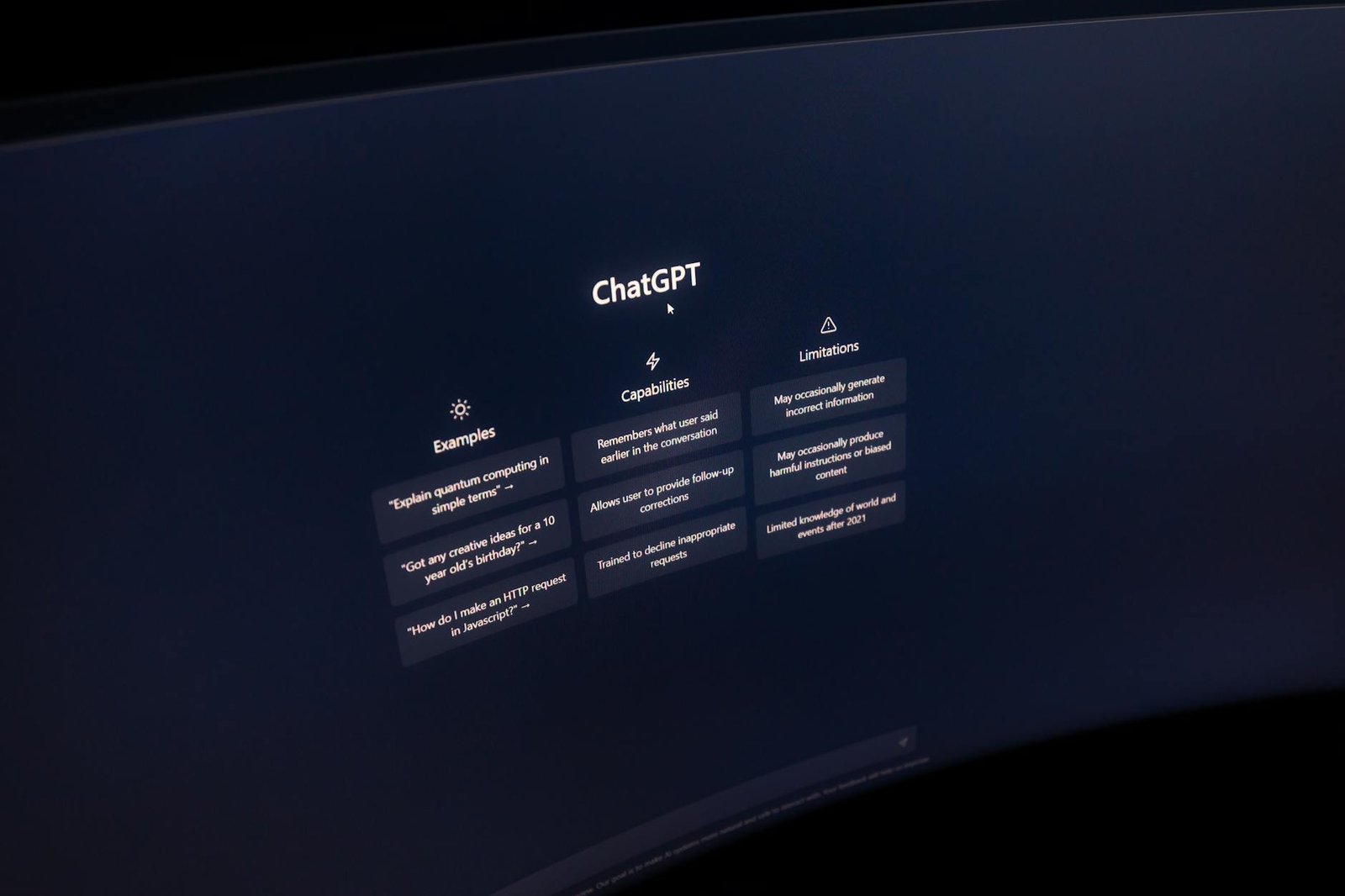
ChatGPT Just Got a Whole Lot Smarter – And Safer – At Handling Sensitive Conversations
A recent wave of user reports detailing unsettling and potentially harmful responses from ChatGPT has sent ripples through the AI community, forcing OpenAI to rapidly deploy critical safety updates. These weren't just minor tweaks; they represent a fundamental shift in how the model understands and responds to complex, nuanced conversations, particularly those touching on delicate subjects like mental health, self-harm, or illegal activities. The stakes are incredibly high – the potential for misuse of increasingly sophisticated AI is a concern that demands immediate and robust solutions.
The Real Impact on Users
OpenAI announced a significant overhaul to ChatGPT's core architecture, dubbed "Contextual Safeguard Protocol," earlier this week. This update incorporates a multi-layered system designed to detect and mitigate risk over time. Specifically, the system now analyzes not just the immediate prompt, but also the preceding turns of the conversation, identifying patterns and potential escalation points. They've implemented a 'risk score' that dynamically adjusts based on the interaction, and crucially, they've trained the model to recognize and flag responses that might unintentionally encourage harmful behavior or provide inaccurate information.
What distinguishes this update from previous iterations is the dramatic improvement in sustained context awareness. Before, ChatGPT often 'forgot' earlier parts of a lengthy discussion, leading to disjointed and sometimes concerning replies. Now, the model retains a significantly longer memory window – approximately 30 turns – allowing it to build a much richer understanding of the user's intent and emotional state. This isn't simply about recalling words; it's about recognizing the evolving meaning behind the conversation, a capability previously lacking.
The practical implications for everyday users are substantial. Individuals seeking support for mental health concerns, for example, will find ChatGPT's responses more grounded in safety and responsibility. While it's still a tool and not a replacement for professional help, the enhanced context awareness reduces the risk of the AI inadvertently offering harmful advice or normalizing dangerous behaviors. OpenAI estimates that this update will reduce potentially problematic responses by nearly 70% based on internal testing, a remarkable improvement in a rapidly evolving technology.
What Happens Next
Experts in the field are hailing this as a pivotal moment for large language models. "We're seeing a move beyond simply filtering keywords," explains Dr. Evelyn Hayes, a leading AI ethicist at Stanford University. "OpenAI is tackling the much harder problem of understanding why a user is asking a question, and responding in a way that aligns with responsible AI principles. This aligns with broader trends in the AI landscape, where developers are increasingly prioritizing safety and alignment alongside raw performance." The move reflects a growing recognition that powerful AI needs more than just safeguards; it needs genuine comprehension.
Looking ahead, OpenAI plans to continuously refine the Contextual Safeguard Protocol through ongoing monitoring and user feedback. We'll likely see further integration of techniques like reinforcement learning from human feedback, allowing the AI to learn directly from safe and responsible interactions. Crucially, users should continue to report any concerning behavior they encounter – this data is vital to the ongoing development of safer and more trustworthy AI systems. It's a race, and OpenAI is clearly accelerating its efforts to stay ahead.
Stay updated: Follow AIZyla for daily AI news explained clearly for everyone.
Stay ahead of AI — free
Weekly digest of the best AI news, tools, and guides. No spam.