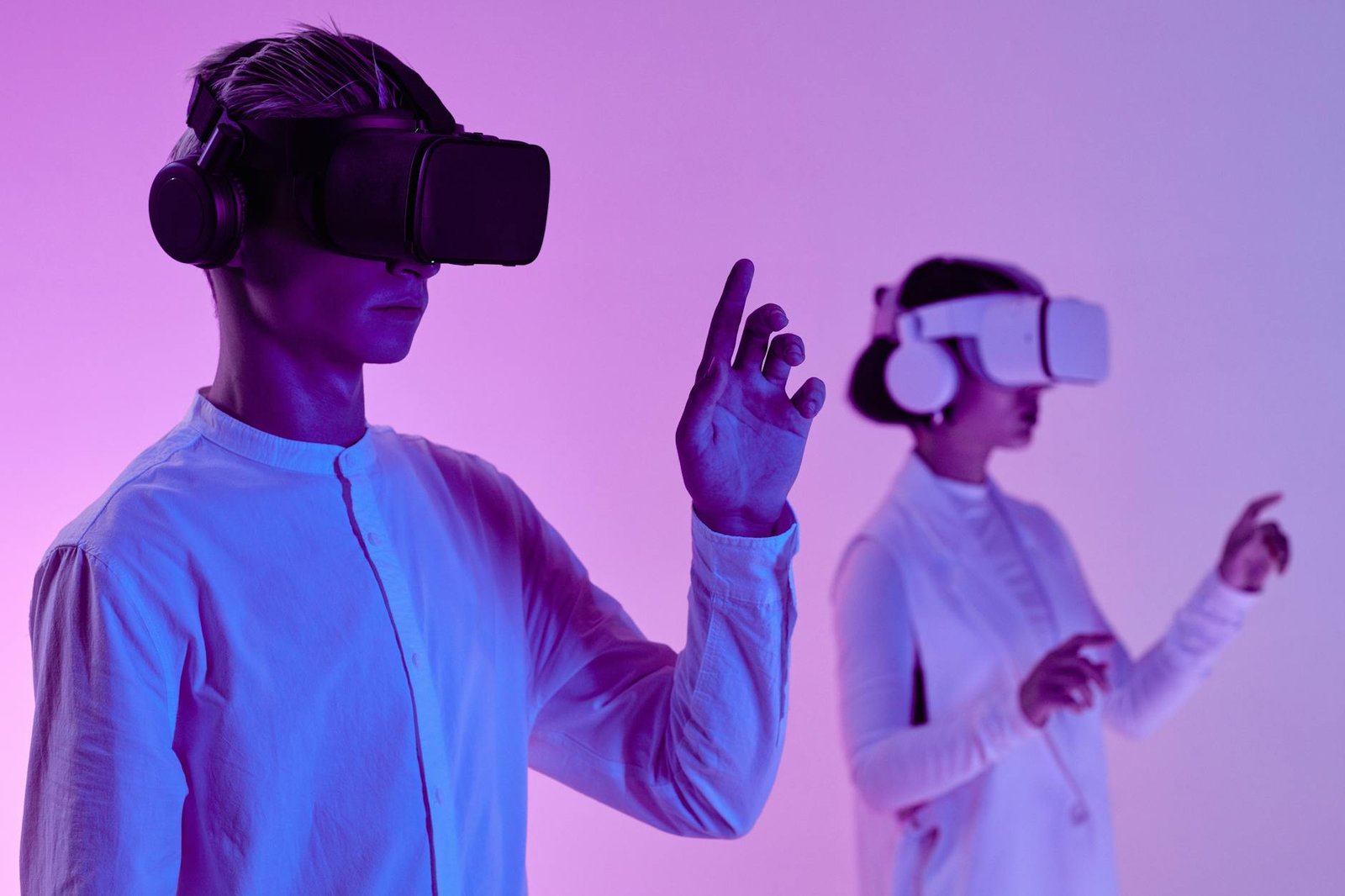
Imagine a world where your hands are perpetually occupied, juggling groceries, navigating a crowded street, or simply lost in thought – a world where a simple command could instantly unlock a torrent of information and connection. That’s the future Google is aggressively racing towards, unveiling a radical shift in wearable tech at this year’s IO conference, and it’s shaking the tech landscape to its core. The unveiling of “Aura,” their new audio-powered smart glasses, isn’t just another gadget; it’s a direct challenge to Meta’s burgeoning augmented reality ambitions and a bold statement about Google’s renewed commitment to voice-first experiences.
Google’s new devices, dubbed “audio glasses,” are poised to disrupt the wearable market, boasting a projected shipment volume of 1.2 million units within the first six months. Developed under the codename “Project Nightingale,” Aura utilizes a custom-designed waveguide display paired with advanced spatial audio technology, allowing for seamless integration of digital content directly into the user’s field of vision. Crucially, users will primarily interact with the glasses through voice commands, leveraging Google’s Gemini AI for everything from setting reminders and controlling smart home devices to accessing real-time translation and navigating unfamiliar environments.
What This Actually Means
This move isn’t a surprise, but its scale is. Google has long been a leader in voice assistant technology with Assistant, but Aura represents a fully realized convergence of that expertise with augmented reality. The glasses will be powered by a dedicated, low-power chip and will offer direct integration with Google’s entire ecosystem – Maps, Search, YouTube, and, of course, Gemini – promising unparalleled convenience and responsiveness. Initial pricing is slated at $499, positioning them squarely in the premium wearable category alongside Apple’s Vision Pro, a deliberate move to compete head-on.
Of course, this announcement creates clear winners and losers. Meta, already heavily invested in AR/VR, faces a serious competitive threat. Their Quest headsets suddenly seem less compelling when compared to Aura’s immediate utility and Google’s massive user base. Conversely, Google stands to gain significant ground, revitalizing interest in its hardware division and bolstering the adoption of Gemini. Smaller players in the smart glasses market are likely to feel the pressure, potentially accelerating consolidation.
Industry analysts are reacting with a mixture of excitement and caution. “Google has been playing catch-up for years,” commented tech journalist Sarah Chen at Wired. “Aura demonstrates a laser focus on voice-driven interaction and a strategic understanding of Meta’s dominance in the metaverse. However, the success hinges on seamless performance and a compelling user experience – something Google has stumbled on before.” Concerns remain about battery life and the potential for eye strain, issues Google is reportedly addressing with aggressive software updates.
Why This Changes Everything
Within the next 30 days, all eyes will be on the availability of pre-order slots and the initial reviews from tech reviewers. More importantly, Google needs to demonstrate that Aura isn’t just a clever gimmick, but a genuinely useful tool that transforms how people interact with the world around them. The success of this ambitious project will undoubtedly shape the future of wearable technology and the very definition of digital interaction.
Stay updated: Follow AIZyla for daily AI news explained clearly for everyone.
Stay ahead of AI -- free
Weekly digest of the best AI news, tools, and guides. No spam.