GoPro’s Secret Weapon: Defense Contracts Suddenly Fuel a Potential Sale
The unthinkable is happening: GoPro, the brand synonymous with adrenaline-fueled action videos and extreme sports, is quietly pivoting towards defense applications, a move that could dramatically reshape its future and, frankly, send shockwaves through the consumer camera market. Rumors swirling for weeks have now solidified into a confirmed strategy, revealing the company is actively pursuing contracts with the Department of Defense (DoD) and other government agencies – a move that coincides with ongoing discussions about a potential sale to a private equity firm. This isn’t just a strategic tweak; it’s a fundamental shift in GoPro’s identity, raising serious questions about the company’s long-term direction and the very definition of what a GoPro camera is meant to do.
The Real Impact on Users
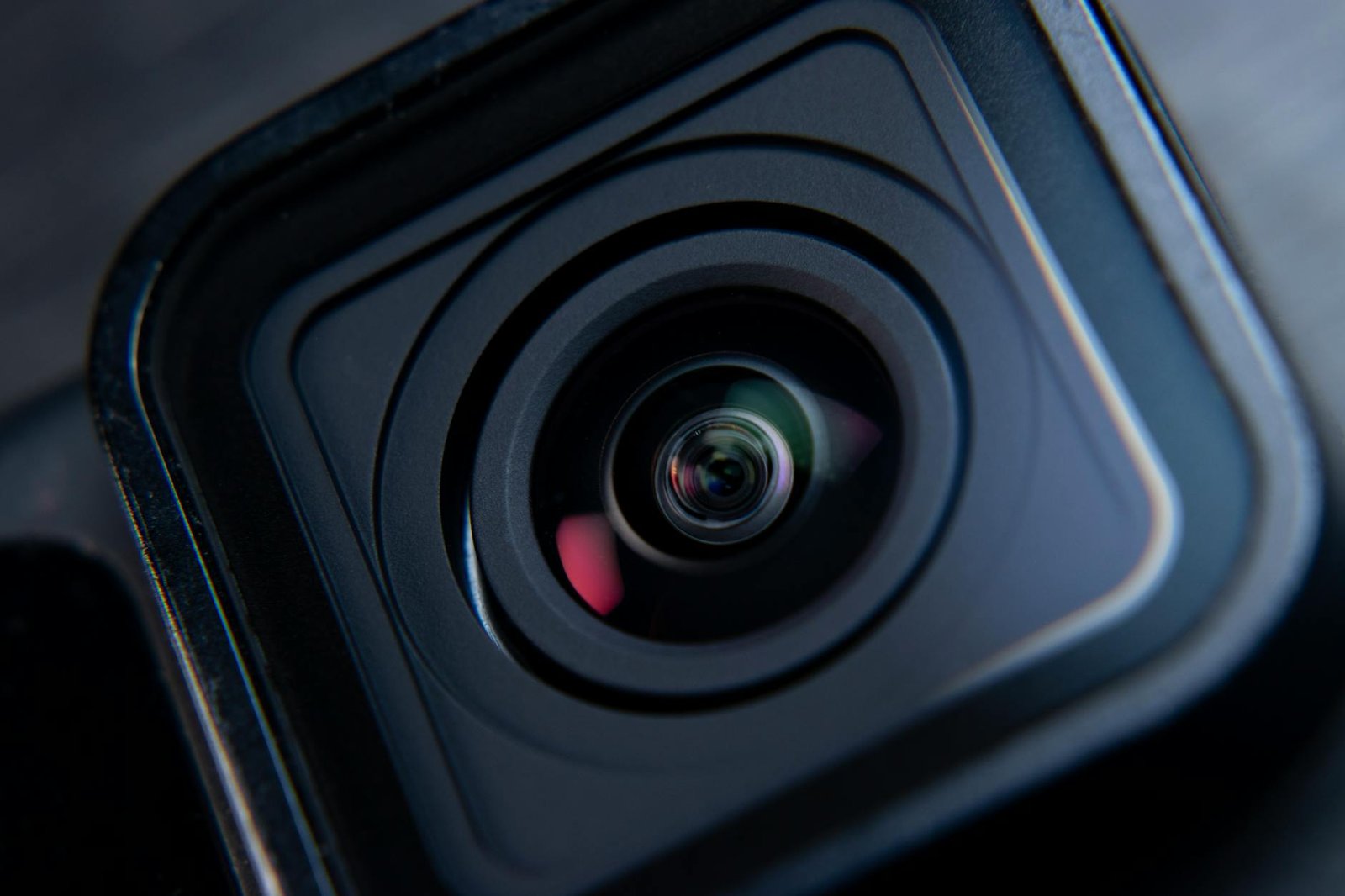
GoPro’s announcement, made via a terse press release, detailed a newly established “Strategic Diversification” division, spearheaded by former DARPA executive, Mark Thompson. This division is focused on developing and supplying ruggedized, high-resolution cameras and video systems tailored for military, law enforcement, and border patrol applications. Specifically, they're highlighting the Hero 11 camera’s inherent durability – already renowned for withstanding extreme conditions – and adapting it with features like encrypted video storage, enhanced night vision capabilities, and ruggedized mounting solutions designed for vehicle and drone integration. The initial contracts are reportedly focused on providing situational awareness tools for border security operations, a sector where GoPro’s existing product strengths are a significant advantage.
What’s truly striking is the departure from GoPro's established consumer narrative. For over a decade, the company has relentlessly pursued the extreme sports market, building a brand image around capturing breathtaking moments of surfing, skiing, and mountain biking. While they’ve dabbled in professional filmmaking and content creation, the core of GoPro’s strategy has always been centered on empowering individuals to document their adventures. This shift represents a radical change in focus, moving from capturing user-generated content to providing sophisticated surveillance and operational tools for government agencies, a dramatic divergence that few anticipated.
The implications for everyday consumers are potentially significant. While GoPro maintains they will continue to offer consumer cameras, the increased emphasis on defense contracts could lead to higher prices, a shift in product development priorities, and a dilution of the brand’s core identity. Moreover, the technology developed for military applications – particularly in areas like image stabilization and low-light performance – could eventually trickle down into consumer products, creating a new competitive landscape. It's a reminder that even seemingly niche brands are increasingly susceptible to broader technological trends and the demands of the defense sector.
What Happens Next
Experts are interpreting GoPro’s move within the larger context of the AI landscape, arguing it’s a classic example of diversification driven by market uncertainty. “Companies like GoPro are recognizing that relying solely on consumer trends is incredibly risky,” explains Dr. Evelyn Reed, a leading AI analyst at TechHorizon Research. “The defense industry is experiencing massive investment in AI-powered surveillance and analytics, and GoPro is strategically positioning itself to capitalize on that growth, leveraging their existing camera technology and manufacturing expertise.” This strategy mirrors similar pivots by other consumer electronics giants, like Garmin, who have expanded into aviation and marine navigation.
Looking ahead, the next critical step is to monitor GoPro’s progress within the defense market. We’ll be watching closely to see if they can secure additional contracts and successfully integrate their technology into operational environments. Furthermore, the ongoing discussions surrounding a potential sale – rumored to be valued at upwards of $3 billion – will undoubtedly be influenced by the company’s newfound success in defense. Investors and consumers alike should brace themselves for a GoPro that is increasingly defined not by epic stunts, but by strategic partnerships and a decidedly different kind of camera.
Stay updated: Follow AIZyla for daily AI news explained clearly for everyone.
Stay ahead of AI — free
Weekly digest of the best AI news, tools, and guides. No spam.