Princeton Students Suddenly Armed with AI – And No One Seems to Care (Except the Professors)
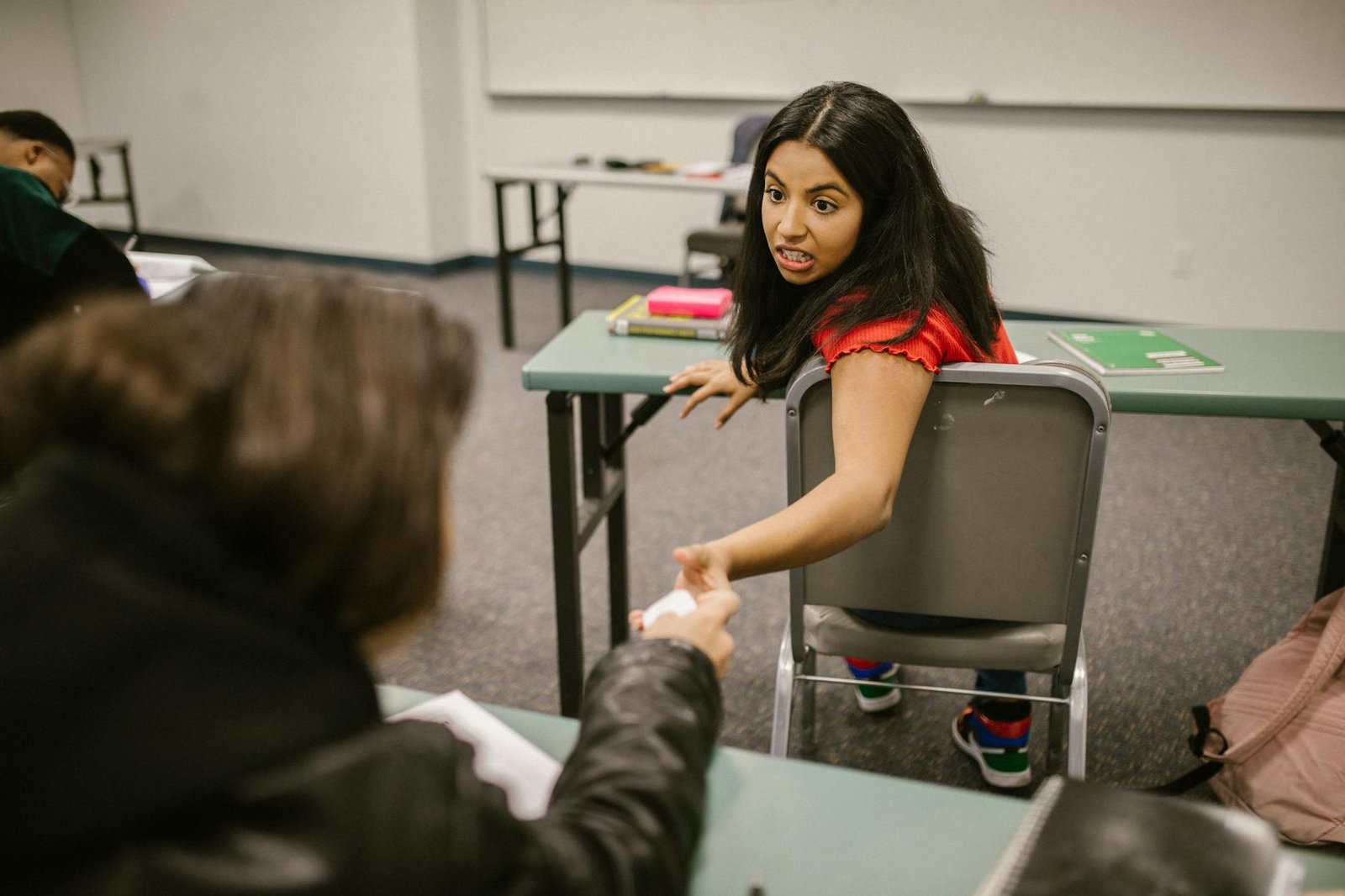
Imagine walking into a lecture hall and realizing half the students are subtly, seamlessly crafting their answers in real-time, guided by an unseen, incredibly sophisticated AI. That’s exactly what’s been happening at Princeton University, and it’s sending shockwaves through the academic world. A recent internal investigation revealed that a staggering 30% of students have been using AI tools—primarily sophisticated chatbots—to complete assignments, raising serious questions about the integrity of the institution and the very future of academic honesty.
What This Means for AI Users
So, what exactly went down? Princeton’s Center for Teaching and Learning noticed a dramatic shift in student performance, particularly on lower-level assignments. Initial data suggested a massive spike in submitted work – almost overwhelmingly so – and a concerning drop in critical thinking skills displayed in student responses. Further investigation, utilizing sophisticated plagiarism detection software and a clever new method of analyzing writing style, uncovered the widespread use of AI. It wasn’t just a few rogue students; this was a systemic problem, with students utilizing tools like ChatGPT and others to generate essays, solve complex problems, and even participate in online discussions. Experts believe a combination of factors contributed to this – the ease of access to these powerful AI tools, coupled with a perceived pressure to achieve high grades, created a perfect storm for academic dishonesty.
Now, here’s where it gets really interesting, and frankly, a little baffling. Despite the obvious cheating, there’s a surprising lack of outrage amongst Princeton’s student body. While professors are understandably concerned and scrambling to adjust their assessment methods, most peers seem remarkably unperturbed. Several students interviewed expressed a shrug of the shoulders, suggesting that “everyone’s doing it” and that the traditional honor code, with its emphasis on individual accountability, is simply outdated in the age of artificial intelligence. This reluctance to condemn the behavior is fueling a debate about the very nature of academic integrity in a world where AI is becoming increasingly integrated into daily life.
This isn't just a Princeton problem, though. It’s a rapidly escalating trend across higher education and, increasingly, in K-12 schools. The rise of accessible, powerful AI tools is fundamentally challenging established systems of assessment and forcing institutions to rethink how they measure student learning. It's a race against time to develop effective detection methods and, more importantly, to educate students about the ethical implications of using these technologies.
The Bigger Picture
What does this mean for regular people? Well, the implications are far broader than just college campuses. As AI becomes more commonplace in our workplaces and lives, the ability to reliably assess skills and knowledge—a cornerstone of education—is being fundamentally challenged. We'll likely see increased scrutiny of professional certifications, standardized tests, and even performance reviews. Ultimately, this AI invasion at Princeton highlights a critical need
Stay updated: Follow AIZyla for daily AI news explained clearly for everyone.
Stay ahead of AI — free
Weekly digest of the best AI news, tools, and guides. No spam.