AI News
3 Days Left: Launch Your AI Startup with Battlefield 200
Applications for Startup Battlefield 200 officially close on June 8, 11:59 p.m. PT. Now's not the time to wait any longer. Secure your shot
Applications for Startup Battlefield 200 officially close on June 8, 11:59 p.m. PT. Now's not the time to wait any longer. Secure your shot
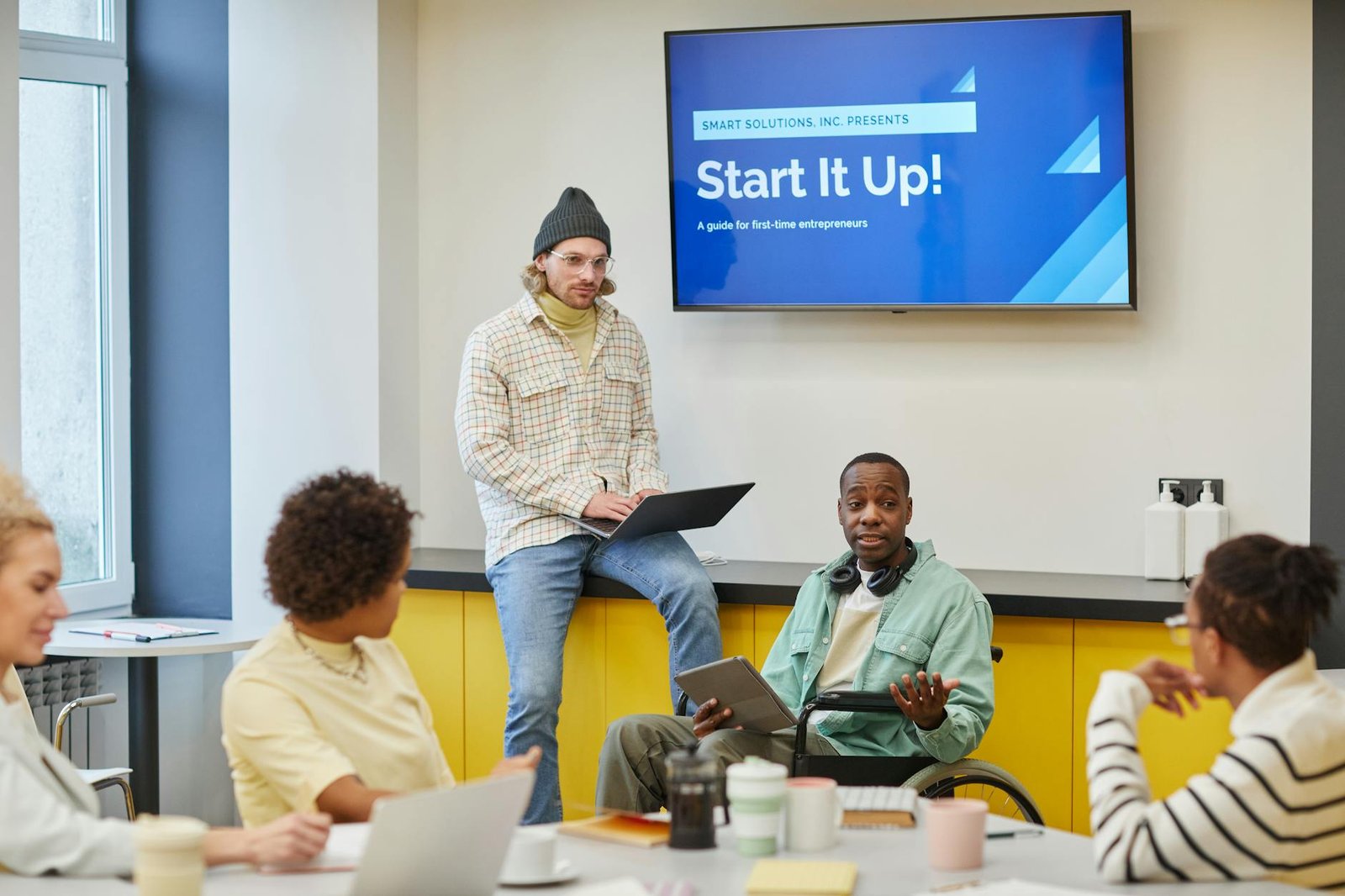
Startup Battlefield 200 is giving a lot of people a jolt, and frankly, it's a reminder that the hype around early-stage AI startups isn't always about polished demos and billion-dollar valuations. For years, the narrative around AI startups has been dominated by enormous venture capital firms, complex algorithms, and teams of PhDs building things no one really understood. The expectation was that access to this world would be limited to those with deep technical expertise and the backing of wealthy investors – a closed-door club of innovation. However, Battlefield 200, now in its 200th iteration, is fundamentally changing that, offering a direct route to a massive stage and a serious shot at recognition to teams that might not have been previously considered. This isn't just another competition; it's a proving ground built on a surprisingly simple principle: can you build something interesting with AI, and can you pitch it well?
Battlefield 200, run by TechCrunch, is a 72-hour business accelerator that identifies and nurtures early-stage startups focused on artificial intelligence. The application window closes on June 8th at 11:59 p.m. Pacific Time, giving teams just a few days to submit their ideas and business plans. The competition is fierce; around 200 teams will be selected to participate in a 72-hour "hackathon" style event, culminating in a live pitching competition on the Disrupt Stage at TechCrunch Disrupt 2026. This year's Disrupt conference, already one of the largest technology events globally, draws tens of thousands of attendees including investors, media, and potential customers. Winning a spot on the Disrupt Stage means exposure to a massive audience – a potential game-changer for any nascent company. The prize package isn't just bragging rights either; finalists receive $25,000 in cash, mentorship from seasoned entrepreneurs and industry experts, and the chance to secure further investment. This year's competition is open to startups across a wide range of AI applications, from generative AI tools and AI-powered automation to healthcare solutions and novel applications in areas like sustainability.
The significance of Battlefield 200 lies in its democratization of access to the AI startup ecosystem. Historically, securing funding and recognition often hinged on connections within elite VC firms or a successful demo at a select few conferences. Battlefield 200 bypasses much of that gatekeeping. It's a direct pipeline to one of the most influential tech events in the world, and it's accessible to anyone with a compelling AI idea and a decent presentation skill. This competition's roots stretch back to 2003, initially conceived as a way to identify and showcase promising startups during the early days of the internet boom. Over the years, it's evolved to become a crucial launchpad for numerous successful AI ventures, including companies like Otter.ai and Synthesia, demonstrating its long-term impact on the industry. The fact that it's still running, and continues to attract significant attention, indicates a sustained belief in the potential of early-stage AI innovation.
The winners of Battlefield 200 benefit immensely – they gain invaluable exposure, potential funding, and a crucial validation of their ideas. But the pressure is also on for the teams who make it through the initial rounds; they'll be under intense scrutiny from investors and the TechCrunch audience. Losers, of course, face disappointment, but even unsuccessful applications provide valuable feedback and experience. Beyond the finalists, the competition also benefits a broader ecosystem: it highlights the incredible diversity of AI applications emerging from independent teams and encourages innovation across various sectors. It puts pressure on larger companies to adapt and respond to the rapid advancements being driven by these smaller, more agile startups.
For anyone using AI tools today – whether it's ChatGPT for brainstorming, Midjourney for creating images, or even simpler AI-powered writing assistants – Battlefield 200 underscores a critical point: AI is no longer solely the domain of massive corporations and research labs. The tools you're using now are being built by teams of passionate individuals, often with limited resources, and many of them are competing for attention and investment. It's a sign that the democratization of AI is accelerating, meaning more opportunities for you to leverage these technologies and potentially contribute to their development through participation in events like Battlefield 200. Consider the future of these tools – they'll be shaped by the ideas and innovations coming from people like the Battlefield competitors.
Ultimately, Startup Battlefield 200 isn't just about finding the next big AI company; it's about validating the fundamental belief that brilliant ideas, combined with the right execution, can disrupt any industry, regardless of the resources invested. This competition forces us to question what truly defines success in the age of AI – is it simply technical prowess, or is it the ability to connect with a problem and build a compelling solution, even on a shoestring budget? Perhaps the most important takeaway is that the future of AI isn't predetermined; it's being built, one pitch at a time.
Stay updated: Follow AIZyla for daily AI news explained clearly for everyone.
Weekly digest of the best AI news, tools, and guides. No spam.